

Why Child Vaccination is Important? {Complete Guide}
Published on May 6, 2026 by Dr. Sanjay Swamy
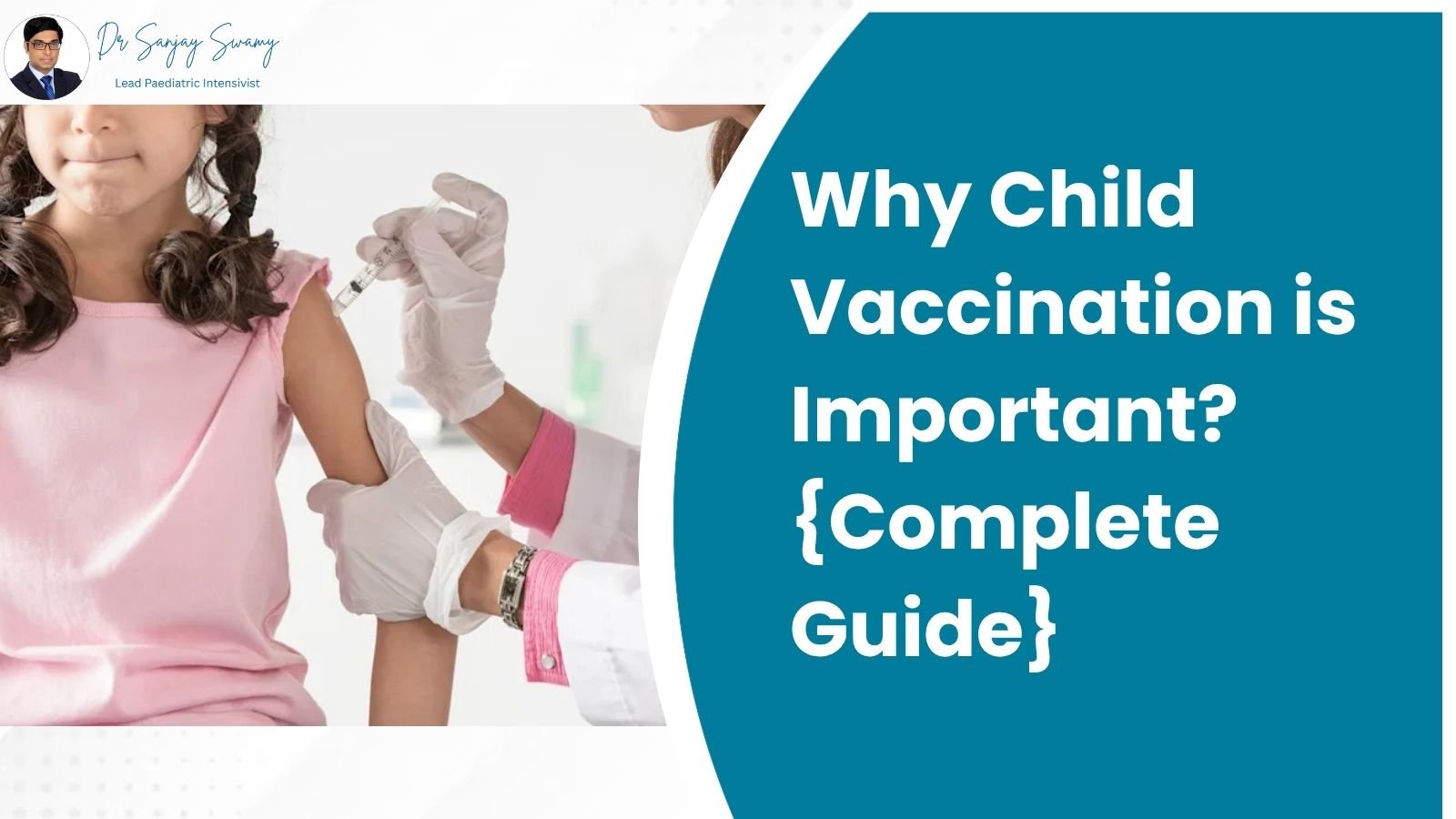
As a parent, ensuring your child's health and safety is your top priority. From the moment they are born, you make countless decisions to protect them—from baby-proofing your home to choosing the right car seat. However, one of the most effective, scientifically proven ways to protect them from serious and potentially life-threatening diseases is through immunization. As the Best Pediatrician in Bangalore, we emphasize that understanding why child vaccination is important is crucial for every new parent navigating the early years of their child's life.
In this comprehensive guide, we will explore the immense benefits of vaccines, the intricate science behind how they protect your baby's developing immune system, and why staying on a strict schedule is vital for their future well-being. Whether you are a first-time parent or looking to stay informed about the latest pediatric health guidelines, this article serves as your complete resource.
What Are Vaccines and How Do They Work?
To truly grasp the importance of child vaccination, it helps to understand exactly what vaccines are and how they interact with the human body. Vaccines are medical preparations designed to stimulate the body's immune system to recognize and fight off specific pathogens, such as viruses or bacteria.
When a child is vaccinated, they are introduced to a weakened, inactive, or partial version of a germ. This introduction does not cause the illness; instead, it acts as a training exercise for the immune system. The body's natural defense mechanism kicks in, producing specific proteins called antibodies. These antibodies circulate in the blood, acting as an internal surveillance system. If the child is later exposed to the actual, live disease in the real world, their immune system immediately recognizes the threat. Because it is already "trained," the body can fight off the infection quickly and effectively, often before the child even shows symptoms.
The World Health Organization (WHO) notes that vaccines currently prevent 3.5 to 5 million deaths every year from diseases like diphtheria, tetanus, pertussis, influenza, and measles.
Why Child Vaccination is Important: The Bigger Picture
Many parents wonder about the true impact of vaccines in modern times. After all, if diseases like polio and diphtheria are so rare today, why do we still need to vaccinate our children against them? The simple, profound answer is that vaccines save lives—and their continued use is what keeps these diseases at bay.
Before the widespread use of vaccines in the mid-20th century, infectious diseases caused immense suffering and high mortality rates among children globally. Polio caused paralysis; measles led to brain swelling and blindness; and whooping cough (pertussis) was a leading cause of infant death. Today, routine immunizations have drastically reduced the incidence of these diseases by over 99% in many parts of the world. In some miraculous cases, like smallpox, vaccines have eradicated the disease completely.
However, many of these pathogens still exist in various parts of the globe. Because we live in a highly interconnected world where international travel is common, these diseases can easily be introduced into unvaccinated communities. This was vividly demonstrated during recent measles outbreaks in communities with low vaccination rates. Therefore, maintaining high vaccination coverage is not just about historical success; it is a present-day necessity.

Key Benefits of Childhood Immunization
The benefits of following a standard vaccination protocol extend far beyond just preventing a single bout of illness. They shape the trajectory of a child's entire life and the health of the community around them.
- Protection Against Severe Complications: It's not just about avoiding a fever or a rash. Vaccines protect children from severe, lifelong complications. For instance, the mumps virus can lead to deafness, while polio can lead to permanent physical disability. By vaccinating, you are shielding your child from these irreversible tragedies.
- Establishing Herd Immunity: This is a critical concept in public health. When a significant portion of a population (usually around 90-95%) is vaccinated against a contagious disease, it creates "herd immunity" or "community immunity." This protective barrier makes it extremely difficult for the disease to spread. This is crucial for protecting the most vulnerable members of our society who cannot be vaccinated—such as newborn babies who are too young for their shots, elderly individuals, or children undergoing treatments like chemotherapy that suppress their immune systems.
- Economic and Emotional Cost-Effectiveness: Dealing with a severe preventable illness takes a massive toll on a family. The emotional stress of seeing a child hospitalized is unimaginable. Furthermore, the financial burden of prolonged hospital stays, specialized medications, and lost time at work can be devastating. Vaccines are a minimal investment that yields immeasurable returns in saved healthcare costs and preserved peace of mind.
- Ensuring a Healthier Future: Ultimately, vaccinations ensure that your child can grow, play, go to school, and learn without the constant, looming threat of debilitating infections. A healthy child has a better foundation for physical and cognitive development.
Common Myths vs. Scientific Facts
Despite the overwhelming, peer-reviewed scientific evidence supporting the safety and efficacy of vaccines, misinformation continues to circulate, particularly on social media. It is vital to separate fact from fiction when making healthcare decisions for your child.
Myth 1: Vaccines cause autism.
Fact: Extensive global scientific studies spanning millions of children have found absolutely no link between vaccines and autism spectrum disorder. The original 1998 study that suggested a link was found to be fraudulent, has been thoroughly discredited, and was formally retracted by the medical journal that published it. The Centers for Disease Control and Prevention (CDC) continuously monitors vaccine safety and reaffirms that vaccines do not cause autism.
Myth 2: It's better to build immunity naturally by catching the disease.
Fact: While surviving a natural infection can provide immunity, the price paid is incredibly steep. Natural infections can cause severe complications, such as pneumonia from chickenpox, intellectual disability from Haemophilus influenzae type b (Hib), or liver cancer from the Hepatitis B virus. Vaccines provide a safe, controlled way to build the exact same immunity without subjecting the child to the severe risks and suffering of the actual disease.
Myth 3: My child doesn't need vaccines because these diseases are practically eliminated in our country.
Fact: While rare in certain developed areas, many preventable diseases still exist globally. As mentioned earlier, international travel means these diseases are only a plane ride away. If we stop vaccinating, the protective shield of herd immunity breaks down, and these forgotten diseases will return with a vengeance.
Myth 4: Giving a child multiple vaccines at once overloads their immune system.
Fact: A child's immune system is incredibly robust. From the moment of birth, babies are exposed to thousands of germs, antigens, and bacteria in their environment every single day. The antigens in vaccines represent a tiny, almost negligible fraction of what a child naturally encounters. Receiving combination vaccines (like MMR - Measles, Mumps, Rubella) is completely safe and means fewer painful injections for the child.
The Critical Importance of a Timely Vaccination Schedule
Following the scientifically recommended vaccination schedule is absolutely essential. This schedule is carefully designed by top medical experts, immunologists, and pediatricians to provide protection when children are most vulnerable and when their immune systems will respond best to the vaccines.
Delaying or skipping vaccines, sometimes referred to as an "alternative schedule," is not supported by pediatric associations. Doing so leaves your child at risk during critical early developmental stages. For example, infants are particularly susceptible to diseases like whooping cough, which can be fatal in the first few months of life. Waiting to vaccinate leaves a dangerous window of vulnerability.
If you have questions, concerns, or anxieties about the vaccination timeline, it is always best to have an open, honest discussion with a qualified medical professional. Consulting with your pediatrician can provide you with clarity, address specific health history concerns, and offer you the peace of mind needed to proceed confidently.
The Role of Parents in Navigating Vaccine Information
In today's digital age, parents are flooded with information from every direction—blogs, forums, social media influencers, and family members. While having access to information is generally positive, it can also be overwhelming and, at times, dangerous when it comes to medical advice.
It is essential to critically evaluate the sources of the health information you consume. When reading about vaccines online, look for reputable, science-based organizations. Websites ending in .gov, .edu, or .org (such as the American Academy of Pediatrics) are generally reliable. Be wary of sensationalist claims, anecdotal stories presented as scientific evidence, or websites selling alternative health products that claim to replace vaccines.
Remember that your pediatrician has spent over a decade studying medicine, immunology, and child health. They are your best resource for navigating this complex landscape. A good pediatrician will welcome your questions, address your specific anxieties without judgment, and provide you with evidence-based data tailored to your child's unique health profile.
Global Perspective on Immunization
While we often view vaccination through the lens of our own family's health, it's inspiring to consider its global impact. Vaccination campaigns spearheaded by international organizations have transformed global health. The eradication of smallpox remains one of humanity's greatest achievements. Today, intense efforts are underway to eradicate polio completely from the remaining few countries where it is endemic.
When you vaccinate your child, you are participating in this global triumph over disease. You are ensuring that diseases which once ravaged entire generations are kept securely in the history books.
What to Expect After a Vaccination: When to Consult a Doctor
It is perfectly normal for a child to experience mild side effects after receiving a shot. These are actually signs that the vaccine is working and the body is building its immune response. Common, mild side effects include:
- A slight, low-grade fever (usually under 101°F).
- Redness, swelling, or mild soreness at the injection site on the arm or thigh.
- Fussiness, irritability, or crying more than usual.
- A temporary decrease in appetite or mild fatigue.
These symptoms typically resolve on their own within 24 to 48 hours. A cool, damp cloth on the injection site or a doctor-approved dose of infant acetaminophen can help soothe the child.
However, while severe reactions are exceedingly rare, you should contact your doctor immediately if you observe any of the following red flags:
- Your child has a high, persistent fever (above 102°F) that does not come down with fever-reducing medication.
- There is continuous, inconsolable crying lasting for three hours or more.
- Your child appears unusually limp, pale, or incredibly lethargic, struggling to wake up.
- You notice signs of a severe allergic reaction (anaphylaxis), which can include widespread hives, swelling of the face or throat, difficulty breathing, a fast heartbeat, or wheezing. If this occurs, seek emergency medical care immediately.
Conclusion: A Shared Responsibility for a Healthier Tomorrow
Understanding why child vaccination is important empowers parents to make informed, life-saving decisions for their children. By adhering to the recommended immunization schedule, you are making a profound choice. You are not only safeguarding your own child's future, allowing them to grow up free from the shadow of preventable diseases, but you are also fulfilling a vital civic duty.
Every vaccinated child strengthens the wall of herd immunity, protecting the most fragile members of our community. It is a shared responsibility that requires trust in decades of rigorous scientific research and medical advancement.
If you are looking for expert guidance, compassionate care, and a customized approach to your child's health journey, professional medical support is just a step away. For expert guidance and personalized care, including top-tier Child Vaccination in Bangalore, booking a consultation with Dr. Sanjay D Swami ensures your child receives the highest standard of pediatric care, comprehensive health assessments, and a strong, healthy start in life. Together, we can ensure that every child has the opportunity to thrive.
Frequently Asked Questions (FAQs) About Childhood Vaccination
1. Are the ingredients in vaccines safe for my baby?
Yes. The ingredients in vaccines, which can sometimes sound intimidating (like formaldehyde or aluminum), are present in incredibly minuscule amounts—often less than what a child naturally consumes or produces in their own body. These ingredients serve crucial functions, such as preserving the vaccine or enhancing the immune response, and are proven safe by extensive testing.
2. Can my child be vaccinated if they have a mild cold?
Generally, yes. A mild illness, such as a cold with a runny nose or a slight cough, is not a reason to delay vaccination. However, if your child has a moderate to severe illness with a high fever, your pediatrician will likely recommend waiting until they have recovered.
3. How do I keep track of my child's vaccination records?
Your pediatrician's office will provide you with an immunization card or booklet. Keep this document safe, as you will need it for school enrollments, sports physicals, and international travel. Many modern clinics also offer digital health portals where you can easily access and print these records.
4. Are there any permanent exemptions to vaccination?
Very rarely, children with specific, severe medical conditions—such as a compromised immune system due to cancer treatments, or a history of a severe allergic reaction (anaphylaxis) to a previous vaccine dose—may be granted a medical exemption. These decisions are made strictly on a case-by-case basis by a specialized medical doctor.
5. What should I do if my child misses a scheduled vaccine dose?
If your child misses a vaccine appointment, do not panic. You do not need to restart the entire vaccination series from the beginning. Simply contact your pediatrician as soon as possible to schedule a "catch-up" appointment. The doctor will adjust the schedule to ensure your child gets back on track safely.
Need medical advice?
Book a consultation if you have specific concerns about your child's health.
Book Appointment